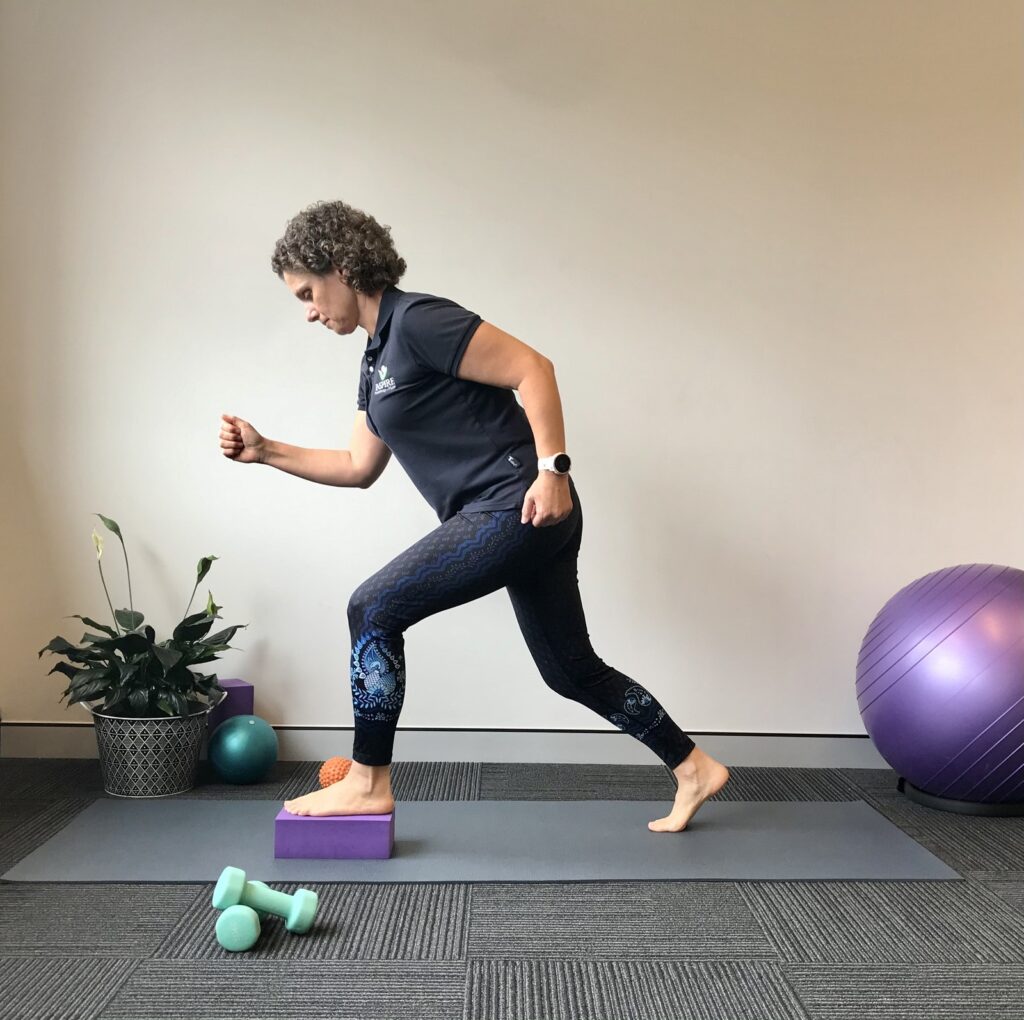
Menopause changes your body in ways that can feel confusing, sometimes discouraging — shifts in bone density, changes to core and pelvic floor strength, posture, energy, even how your nervous system responds to stress. None of that means your body is failing you. It means it’s adapting, and it needs the right kind of support to do that well.
As a physiotherapist, Pilates has always been one of the tools I trust most for this stage of life — not because it’s trendy, but because of what it actually does for the body.
Why Pilates Fits This Stage of Life
It supports bone density. Declining oestrogen during menopause is linked to accelerated bone density loss, which raises the risk of osteoporosis over time. Weight-bearing and resistance-based movement — which Pilates incorporates through controlled, loaded exercises — is one of the ways research suggests we can help support bone strength as we age.
It strengthens the pelvic floor. Pelvic floor changes are common during and after menopause, affecting core stability and continence. Pilates’ foundational focus on deep core and pelvic floor engagement makes it a particularly well-suited form of movement for this specific concern.
It supports posture and alignment. As bone density and muscle tone shift, posture often follows. Pilates’ emphasis on spinal alignment, core control, and controlled movement patterns helps counter this gradually.
It calms the nervous system while it strengthens the body. Pilates’ controlled breathwork and focus on precise movement tend to support nervous system regulation alongside the physical benefits.
Starting Where You Actually Are
You don’t need to have done Pilates before. You don’t need to be at any particular fitness level. What matters is starting with movement that meets your body where it currently is, and builds from there — safely, and with proper technique guidance, rather than guesswork.
This is exactly the foundation my Movement is Medicine Physio-Pilates program is built on.
This information is general in nature and doesn’t replace individual medical or physiotherapy advice. If you have specific concerns about bone health, pelvic floor symptoms, or starting a new exercise program, it’s worth checking in with your doctor or physiotherapist first.
Want our latest posts delivered straight to your inbox? Subscribe for free below.